

1. **Battery Energy Storage Systems (BESS)**
- **How they work**: BESS utilizes rechargeable batteries to store electrical energy. When the power grid needs more energy than it's producing, the batteries release stored energy. Conversely, during periods of low demand or high production, the batteries can charge.
- **Types**:
- **Lithium-ion batteries**: The most common type, widely used due to their high energy density and efficiency.
- **Lead-acid batteries**: Lower cost but less energy dense compared to lithium-ion.
- **Flow batteries**: Use separate tanks of electrolyte solutions to charge and discharge, offering longer cycle life and scalability.
- **Advantages**: High efficiency, quick response times, and flexible deployment options.
2. **Compressed Air Energy Storage (CAES)**
- **How they work**: CAES uses surplus electrical energy to compress air and store it in underground caverns or tanks. When needed, the compressed air is released, driving turbines that generate electricity.
- **Advantages**: Large energy storage capacity, long duration, and potential for use in remote locations without access to traditional grid infrastructure.
3. **Pumped Hydro Storage**
- **How they work**: This method involves pumping water from a lower reservoir to a higher one using excess electrical energy. During peak demand, the water is released, flowing through turbines to generate electricity.
- **Advantages**: High efficiency, long-standing technology, and large storage capacities. However, location-specific requirements limit its widespread application.
4. **Thermal Energy Storage**
- **How they work**: Thermal storage systems convert electrical energy into heat energy, which is then stored in materials like molten salt or phase-changing materials. The heat can be used to generate steam for power generation when needed.
- **Advantages**: Can provide both heat and electricity, suitable for industrial processes, and offers flexibility in managing energy demand.
5. **Flywheel Energy Storage**
- **How they work**: Flywheels store kinetic energy by spinning a rotor at very high speeds. The stored energy is released when the rotor slows down, typically through electromagnetic braking.
- **Advantages**: Fast response times, high efficiency, and minimal wear and tear over time.
6. **Hydrogen Energy Storage**
- **How they work**: Excess electrical energy is used to split water into hydrogen and oxygen. The hydrogen can be stored and later converted back into electricity using fuel cells.
- **Advantages**: Potential for large-scale storage, compatibility with existing natural gas infrastructure, and the possibility of utilizing renewable energy sources.
Implementation and Integration
- Energy storage systems are typically integrated into smart grid technologies, allowing them to communicate and coordinate with other grid components. This integration helps optimize the use of energy resources, reduce waste, and improve overall grid reliability and efficiency.
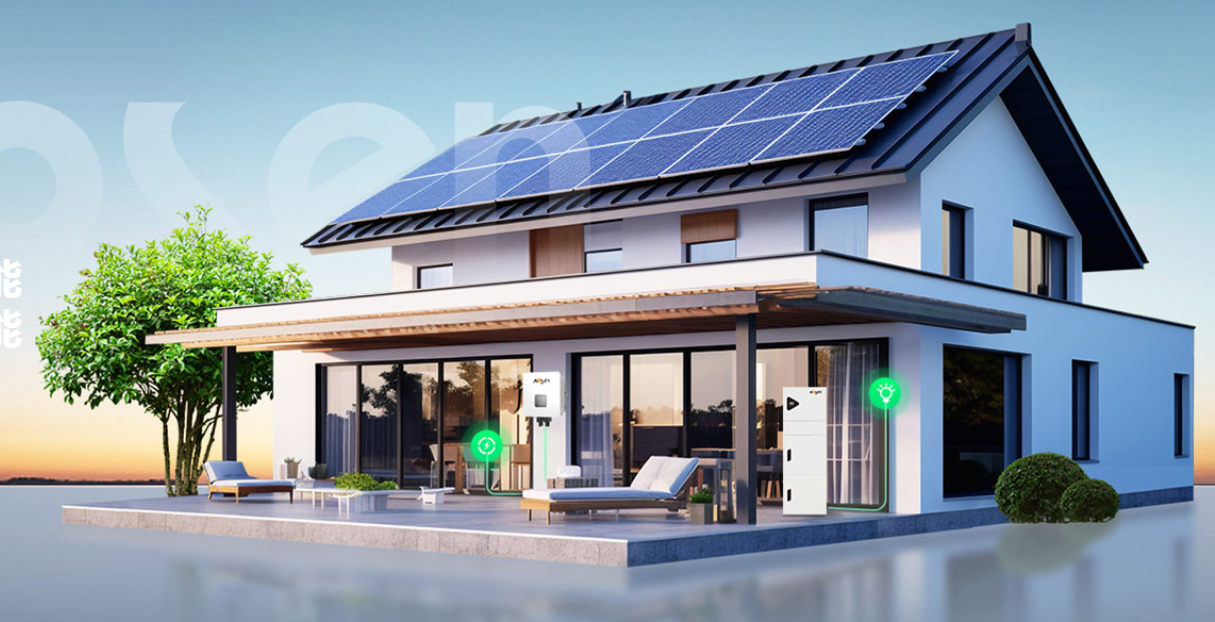
Energy storage systems are essential tools in the modern energy landscape, addressing the challenges posed by variable renewable energy sources and improving the overall performance of power grids. With advancements in technology and increasing demand for sustainable energy solutions, the role and capabilities of energy storage systems are likely to expand further, contributing significantly to the transition towards a more resilient and sustainable energy future.